Kelly Bostian Unleashed
Share
Unleashed: Failure is Tyson's, not farmers'
We all lose if Farm Bureau, lawmakers continue to take up Tyson's cause
Kelly J Bostian
Dec 7
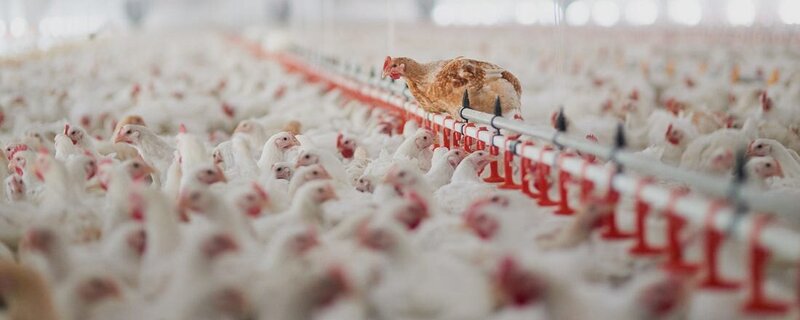
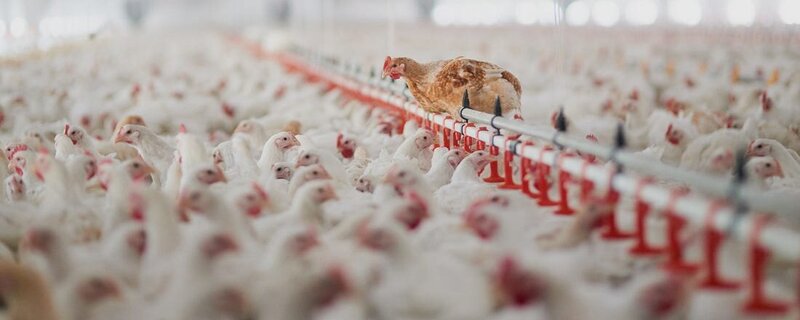
A poultry farm stock photo, because the author—only recently penning “Unleashed” opinion pieces—has never been allowed inside one despite years of requests for a simple tour. Envato Elements photo
With the Arkansas Farm Bureau’s Annual Convention at Hot Springs Dec. 3-5, temperatures were sure to continue to rise on this topic. Farm Bureaus in Arkansas and Oklahoma issued statements, Arkansas Attorney General Tim Griffin chimed in, and Oklahoma Gov. Kevin Stitt—among others—continued throwing jabs.
I promise, dear readers, I will not continue to harp on this week after week in the middle of hunting season. But beware, hunters, anglers, and lovers of nature: the outcome of this lawsuit has a direct bearing on your future hunting, fishing, and recreational waters.
Many of you have been heroically stepping up to protect national public lands for the past year; the same fervor is essential here.
Let the people you purchase poultry from, and your elected officials, know precisely what you think of Tyson Foods and the Farm Bureau right now.
Farm Bureau and other Tyson backers are on the wrong side of history as the company unceremoniously threatens to throw small-operation farmers under the bus.
They’re playing politics with people’s lives while falsely claiming the problem isn’t Tyson. They instead claim the sour politics lie with a federal judge, who clearly supports his decisions with legal precedent and reams of documentation.
The exponential growth of regenerative farming over the past decade, a practice that avoids broad fertilizer applications, is further evidence that Tyson is clinging to outdated practices. Remember, chicken litter “fertilizer” is applied not at rates needed to benefit crops and pastures, but at elevated levels designed explicitly for its disposal as agricultural waste.
Friends of Tyson continue to claim the poultry lawsuit is outdated and based on weak science or a product of some misguided radical out-of-state environmentalists.
The lawsuit is the problem, they proclaim, not thousands of tons of chicken shit, carcases, and detritus spread in our watersheds annually.
The poultry industry, just as its panic line, has failed to evolve.
Oklahoma Farm Bureau Statement: June 2005
“He is acting unilaterally in a way that could potentially cost thousands of jobs and devastate an important industry to our state.”
Oklahoma Farm Bureau President Steve Kouplen on A.G. Drew Edmondson
Oklahoma Farm Bureau Press Statement: December 2025
“Reducing the number of poultry operations in eastern Oklahoma not only punishes farmers who have done everything asked of them, and more, to improve water quality in the watershed, but it also threatens food affordability and security for fellow Oklahomans and our nation’s residents who are already facing rising food costs. Our members also have real concerns about the negative economic impact any reductions will have on communities across eastern Oklahoma.”
Oklahoma Farm Bureau President Stacy Simunek
Remember, former Oklahoma Attorney General Drew Edmondson filed the lawsuit after years of failed negotiations that sought to have poultry integrators accept responsibility for their own waste. They continue to refuse that responsibility or liability, so the courts must decide.
Oklahoma Northern U.S. District Court Judge Gregory Frizzell documented it all quite clearly, laboriously, point-by-point, in his 200-page Findings and Fact and Conclusions of Law issued nearly two years ago. Two years marked by more failed mediation, fruitless negotiations, and additional failed legal challenges to the science.
The problem is an agricultural industry giant that—unlike any other ag producers, any other industry, or any municipality anywhere in the country—refuses to devise an environmentally responsible disposal system for its most significant byproduct, thousands of tons of waste.
It’s that simple, dear fellow hunters, anglers, and nature lovers. This is about industrial-scale pollution.
This is about the ecology of a 1,600-square-mile watershed in the heart of the Ozarks. Or, if Tyson really does pull out of the Illinois River Watershed, perhaps the watershed where you hunt, fish, and play now.
At issue are long-term soil permeability and microbial health, erosion prevention, and water quality for wildlife and human communities alike.
The only thing at risk for the agriculture industry is a portion of Tyson’s profits, if any. With quarterly cash flows in the tens of billions, it seems likely producers will pass costs on to consumers.
The industry brags that it generates billions of dollars in economic benefits for the region each year. Yet it shudders at the prospect of spending millions—over many years—on mitigating further damage and repairing documented harms for which it has been found legally liable.
Tyson is by far the largest of those named in the lawsuit, but it is not alone. The suit initially listed 14 entities, later consolidated to eleven: Tyson Foods Inc., Tyson Poultry Inc., Tyson Chicken Inc., Cobb-Vantress Inc., Cal-Maine Foods Inc., Cargill Inc., Cargill Turkey Production LLC, George’s Inc., George’s Farms Inc., Peterson Farms Inc., and Simmons Foods Inc.
This is a matter of law, and a fairly basic principle: your neighbor is not allowed to profit by dumping crap on your land and walking away. No one wants to allow that as a precedent.
I have to chuckle here because Arkansas AG Griffin waxed poetic this week about Arkansas’ sovereignty in his opposition to the lawsuit and what he labels overreach by Oklahoma AG Drummond’s proposed poultry suit ruling.
The irony suits my morose sense of humor. Tyson is losing this lawsuit because the evidence shows crap generated by Arkansas-based poultry companies has been infringing on Oklahomans’ sovereignty for decades.
Thanks for reading All Things Outdoors! This post is public, so feel free to share it.
As other businesses and municipalities build and grow along the watershed, all must comply with the Clean Water Act and other federal and state waste-disposal rules; poultry integrators fail to report where they dispose of their waste.
I’ve fallen flat, I admit, in attempts to regularly gather accurate data on where, exactly, all the poultry litter goes. I’ve done a story or two, but it’s a Herculean task. Shouldn’t be, but it is.
I’ve learned a lot, but beyond general terms, the industry treats chicken litter like a proprietary secret.
Secretary of Agriculture Blayne Arthur halted Oklahoma’s poultry litter distribution reports as soon as she took office in 2019. None have been issued under the Stitt Administration. That change in practice should leave a sour taste for Oklahomans as they’ve watched Stitt and Arthur both echo Farm Bureau talking points in attempts to intervene against the poultry suit.
In the Spavinaw Watershed, which supplies water for Tulsans, litter application and hauling records are court-sealed. As part of its 2003 settlement with the City of Tulsa, poultry industry attorneys made sure that information was available only to a court-appointed special master. Can’t even get it with a Freedom of Information Act request.
Chicken litter is top-secret shit upstream of Tulsa.
Hunters, anglers, and lovers of natural environments, I urge you to take heed and speak up. Support your local small farms and co-ops, and challenge your Farm Bureau reps, your legislative reps, Tyson, and other large integrators.
Share
Leave a comment
Invite your friends and earn rewards
If you enjoy All Things Outdoors, share it with your friends and earn rewards when they subscribe.
Invite Friends
Click to view this email in a browser If you no longer wish to receive these emails, please reply to this message with "Unsubscribe" in the subject line or simply click on the following link:
Unsubscribe
Save the Illinois River, Inc.
24369 E 757 Rd
Tahlequah, OK 74464
US
Read the VerticalResponse marketing policy.